
OpenSSL 4.1.0: nuove funzioni DTLS e problemi noti da provare
La versione funzionale del 23 ottobre aggiunge DTLS 1.3. Leggi i problemi noti prima di una migrazione.
Che cosa cambia
OpenSSL 4.1.0, pubblicato il 23 ottobre, aggiunge DTLS 1.3 e altre funzioni. È una versione funzionale. I correttivi di sicurezza del 29 settembre restano separati nella cronologia; questa data non dimostra una nuova CVE urgente.
Chi deve controllare
Le note elencano problemi DTLS noti relativi a ritrasmissioni, segnalazione degli errori dei listener e alcuni riscontri dell’handshake. Includi questi casi se usi DTLS. Non tutte le applicazioni HTTPS richiedono questa migrazione oggi.
Che cosa fare
- Identifica la libreria realmente collegata o inclusa nel servizio. L’eseguibile da terminale può utilizzare un’altra copia.
- Controlla il percorso supportato dal fornitore del runtime o della distribuzione. Una correzione compatibile sulla linea attuale può essere appropriata.
- Per valutare 4.1 prova perdite e tentativi dell’handshake, errori dei listener, provider e compatibilità in staging. Rivedi i problemi noti prima del rilascio.
Comandi di riferimento
openssl version -aVerificare il risultato
Conserva la build funzionante e registra la libreria dell’applicazione attiva. Decidi secondo funzioni richieste, supporto e test, non soltanto il numero di versione.
Fonti ufficiali
Portalo nel tuo progetto
Scarica i file, conserva la guida o consegna al tuo assistente istruzioni pronte.
Prepara con l’IA
Copia questo prompt inglese nel tuo assistente. Include articolo, file disponibili e passaggi di preparazione.
Mostra il prompt di preparazione
Read this news or bug-fix article as reference material:
https://nethanelfitoussi.com/article/openssl-4-1-release-dtls-known-issues?lang=en

Goal: apply the documented workflow to my development project.
Read the existing project instructions, inspect the relevant files and explain the smallest useful setup.

Use the article and its examples as references. Identify any missing project files before making changes.

If I have not supplied a project folder, ask which development project to use. Do not invent a repository URL.

Additional project setup instructions:
Evaluate whether my project needs OpenSSL 4.1.0 using https://github.com/openssl/openssl/releases/tag/openssl-4.1.0 and https://openssl-library.org/news/timeline/index.html . Treat October 23 as a feature-release date, not proof of a new emergency vulnerability. Inventory actual linked or bundled OpenSSL versions and vendor support, not only the openssl CLI. Check DTLS 1.3 and listener use against the release notes known issues. Keep compatible security updates on supported existing branches when a feature migration is unnecessary. Propose a staging test matrix for handshake loss/retry, provider compatibility and application HTTPS. Do not replace a system crypto library or deploy without approval.

Check the dated advisory and current official vendor guidance. Identify whether my installed version and configuration are affected before proposing a fix.

Give me a short plan, then make the agreed local changes and run the relevant checks. Report actual results and anything not verified. Stop before credentials, paid services, production changes, push, merge or deployment.Evaluate whether my project needs OpenSSL 4.1.0 using https://github.com/openssl/openssl/releases/tag/openssl-4.1.0 and https://openssl-library.org/news/timeline/index.html . Treat October 23 as a feature-release date, not proof of a new emergency vulnerability. Inventory actual linked or bundled OpenSSL versions and vendor support, not only the openssl CLI. Check DTLS 1.3 and listener use against the release notes known issues. Keep compatible security updates on supported existing branches when a feature migration is unnecessary. Propose a staging test matrix for handshake loss/retry, provider compatibility and application HTTPS. Do not replace a system crypto library or deploy without approval.
Continua a esplorare
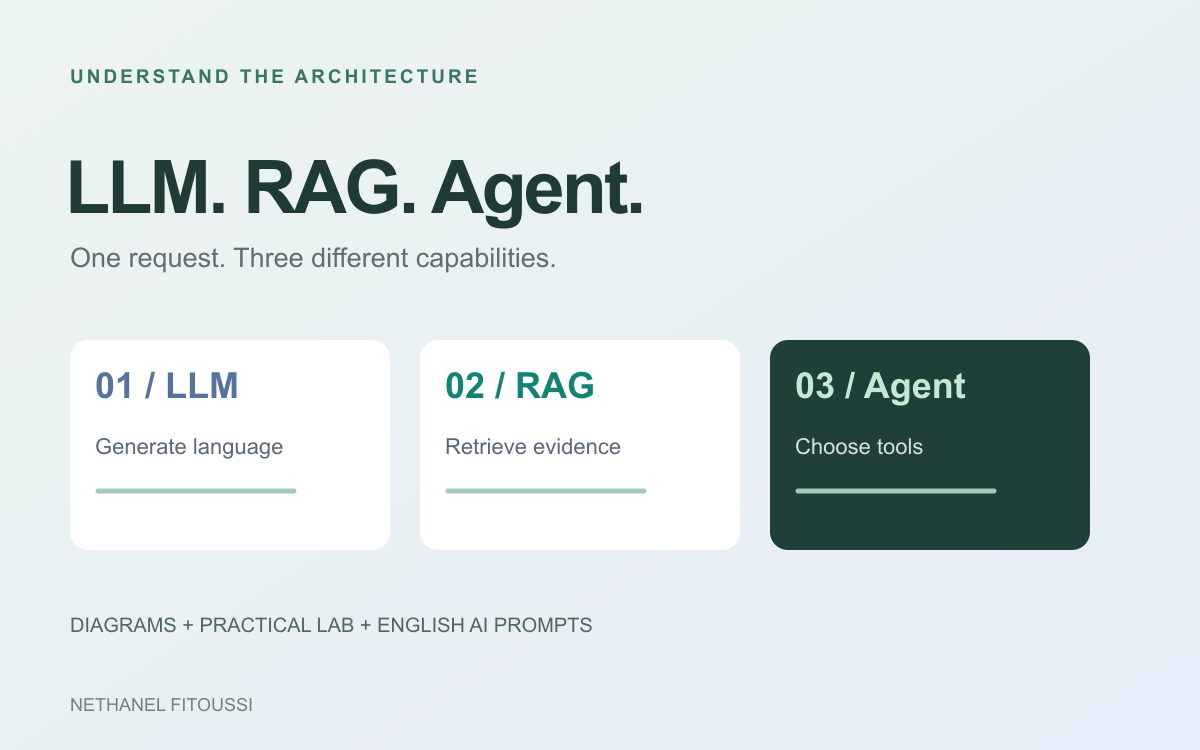
LLM, RAG o agente IA? Differenze e caso pratico completo
Una guida approfondita a ciò che sa un modello, alle prove offerte dal recupero e agli strumenti di un agente. La stessa richiesta passa dal consiglio generico a una bozza controllata, con diagrammi, esempi, prompt inglesi e progetto eseguibile.
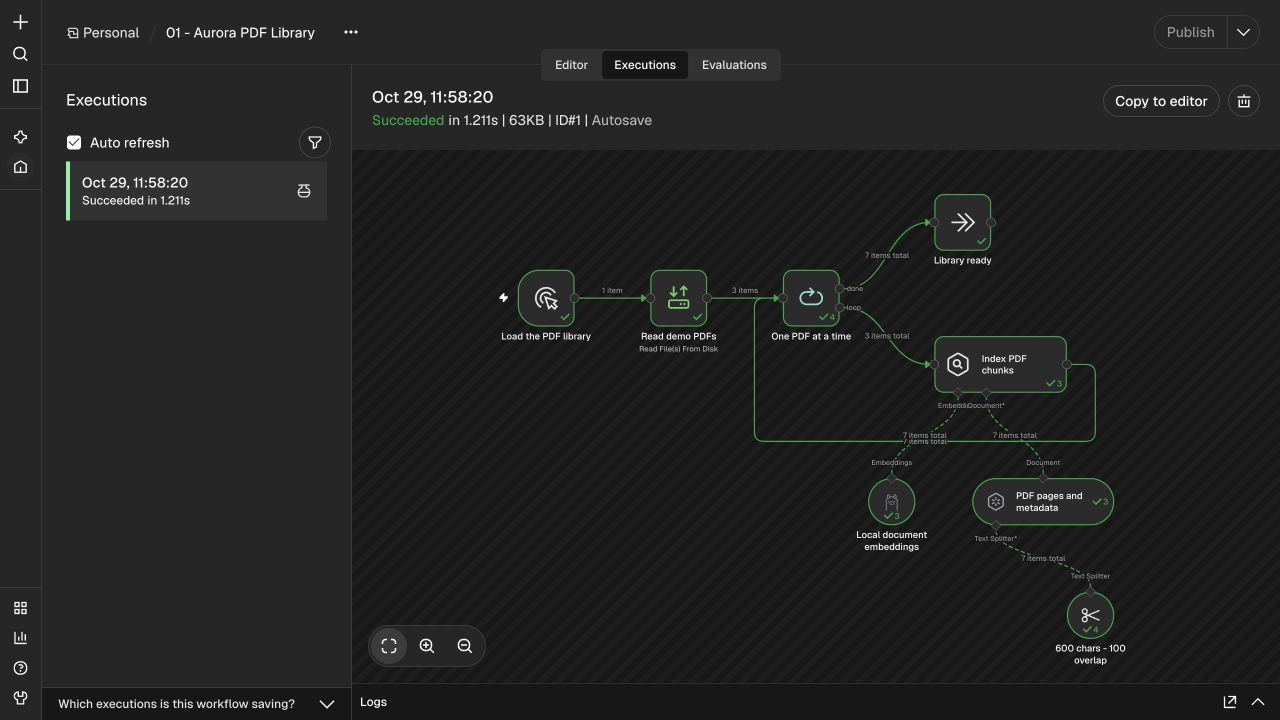
Creare un RAG che legge PDF con n8n: copilota espositori, passo per passo con schermate
Un assistente che combina programma, guida espositori e informazioni della sede per preparare l’arrivo. Tutorial completo con vere schermate n8n, PDF di esempio, workflow importabili, IA locale e verifica delle fonti.
Valutare dipendenze vulnerabili con IA senza forzare tutti gli aggiornamenti
Leggi npm audit, separa gravità e raggiungibilità e verifica un aggiornamento compatibile. Rapporto fittizio e cinque test inclusi.